 Dec, 2 2025

Saint-Tropez isn’t just about yachts and sunsets. By 2025, it’s become one of Europe’s most talked-about destinations for discreet companionship, drawing visitors who want more than a beachside drink - they want connection, elegance, and exclusivity. The scene here isn’t like the wild parties of Ibiza or the crowded nightlife of Paris. It’s quieter, more refined, and carefully curated. Women who work in this space aren’t just hired for looks; they’re chosen for charm, intelligence, and the ability to blend into high-end social circles without drawing attention. Many come from cities like Lyon or Marseille, but others have traveled from as far as Berlin or London, drawn by the reputation and the pay. If you’ve heard of escorye paris, you know this isn’t just about physical attraction - it’s about experience, discretion, and matching energy.
The typical escort in Saint-Tropez doesn’t advertise on public platforms. There are no flashy billboards or Instagram reels. Instead, referrals and private agencies handle most bookings. These agencies vet clients rigorously - no random tourists, no loud groups, no last-minute requests. Most clients are repeat visitors: business owners from Geneva, retired diplomats from Brussels, or tech executives from Silicon Valley who come for the off-season calm. The average rate? Between €800 and €1,500 per night, depending on the length of stay and the level of customization. Some clients book for a week. Others just want a single evening to unwind after a long meeting at the Port de Saint-Tropez.
What Makes Saint-Tropez Different From Other European Hotspots?
Paris has its escort scene, sure - but it’s fast-paced, urban, and often tied to hotel rooms or short-term meetups. Saint-Tropez is the opposite. Here, the experience is immersive. You might start with a drink at La Réserve, then move to a private yacht anchored off Pampelonne Beach. The companionship isn’t transactional in the way it is in larger cities. It’s more like having a thoughtful, well-traveled friend who knows where the quietest coves are, who to tip at the Michelin-starred restaurants, and how to avoid paparazzi without seeming rude.
That’s why many clients compare it to
How Do You Find a Reputable Companion?
There are no public directories. No Google Maps listings. No apps. If you’re looking for someone reliable, you go through vetted agencies that have been operating for over a decade. These agencies don’t list photos online. They don’t use fake reviews. They rely on word-of-mouth from clients who return year after year. When you book, you’re asked to fill out a brief profile: interests, boundaries, preferred activities. Then, based on that, you’re matched with someone whose personality and style align with yours.
Some companions are fluent in three languages. Others have degrees in art history or have worked as models in Milan. One woman I spoke with - anonymously, of course - used to teach piano in Vienna before moving to the French Riviera. She now spends her evenings at private dinners, discussing classical music with clients who want more than small talk.
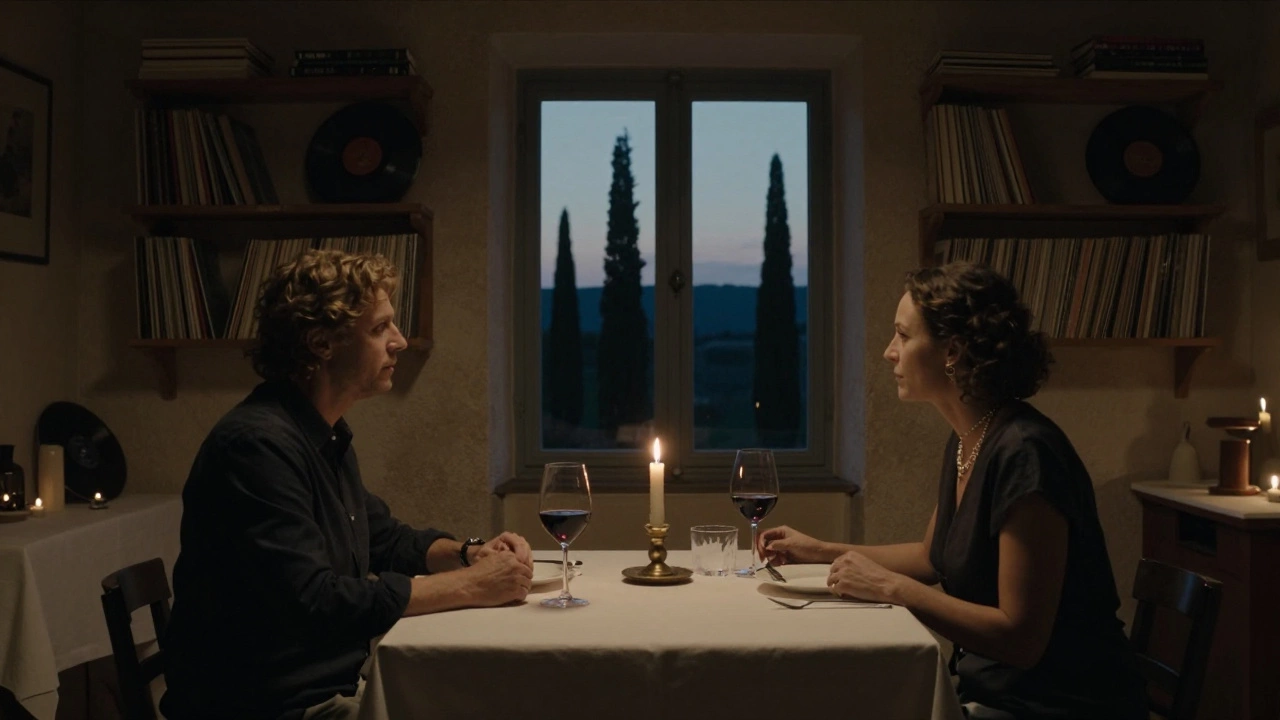
The Rules: What’s Expected and What’s Not
There are unwritten rules here that separate the professionals from the amateurs. First: no public displays. No holding hands on the street. No photos taken in front of the famous Place des Lices. Second: no drugs. Even though the area is known for its luxury, most agencies have zero-tolerance policies. Third: no pressure. If you’re uncomfortable, you say so - and you’re not judged for it. The companions are trained to read cues, not push agendas.
And while some might assume these women are only there for money, that’s not the full story. Many treat this as a lifestyle choice. They own homes in nearby towns. They invest in art. They travel during the off-season. One escort I met told me she’s saved enough over five years to buy a small villa in the hills above Grimaud. She doesn’t need to work year-round. She chooses when to work - and when to disappear.
Seasonal Trends in 2025
The high season runs from late May to early September, but 2025 has seen a shift. More clients are booking in April and October - quieter months with better weather and lower prices. The agencies have adapted by offering extended stays at discounted rates. Some even include private chef services, yoga sessions on the beach, or guided wine tours in the nearby Côtes de Provence.
There’s also been a rise in female clients. Not just women traveling alone, but couples - two women, or a woman and her partner, looking for a third person to join them. The demand for same-gender companionship has grown by 40% since 2023, according to one agency owner who spoke on condition of anonymity.

What to Avoid
Don’t show up with a camera. Don’t ask for social media handles. Don’t try to negotiate prices publicly. And for god’s sake, don’t bring friends. The entire model relies on privacy. If you break that trust, you’re blacklisted - not just from one agency, but from the entire network. Word travels fast in Saint-Tropez.
Also, avoid the tourist traps. The bars near the harbor that advertise "escort services"? They’re scams. The women there are either underaged or working for traffickers. The real professionals don’t hang out in places where you can buy a €12 cocktail and a date in the same breath.
Why This Isn’t Just About Sex
It’s easy to reduce this to a sexual service. But that misses the point. The women who work here aren’t selling bodies. They’re selling presence. They’re selling silence when you need it. They’re selling conversation when you’re lonely. They’re selling the feeling of being seen - not as a client, not as a number, but as a person.
One man, a 62-year-old architect from Zurich, told me he comes every year because he’s never felt more understood than when he’s with his companion in Saint-Tropez. He doesn’t talk about his work. She doesn’t ask about his money. They talk about books, about the way light hits the water at sunset, about the smell of rain before a storm. That’s the real value here.
And if you’re wondering if this is legal - yes, it is. Companionship isn’t prostitution in France. As long as no money changes hands for sex directly, and no third party profits from exploitation, it falls under personal freedom. The French legal system draws a clear line: selling time and company? Legal. Selling sex? Illegal. The difference matters.
That’s why many companions carry business cards with their name and a quote - something like, "I offer conversation, companionship, and discretion." Not "I offer sex." The wording is intentional. The boundaries are clear. And the respect? Mutual.
So if you’re thinking of visiting Saint-Tropez in 2025, don’t just think about the beaches or the parties. Think about the quiet moments. The long walks. The dinners with no agenda. The kind of connection you can’t find in a hotel room in a city you don’t know. That’s what makes this place different. And that’s why people keep coming back.
For those curious about similar services in other parts of France, you might have heard of