 Jun, 19 2026
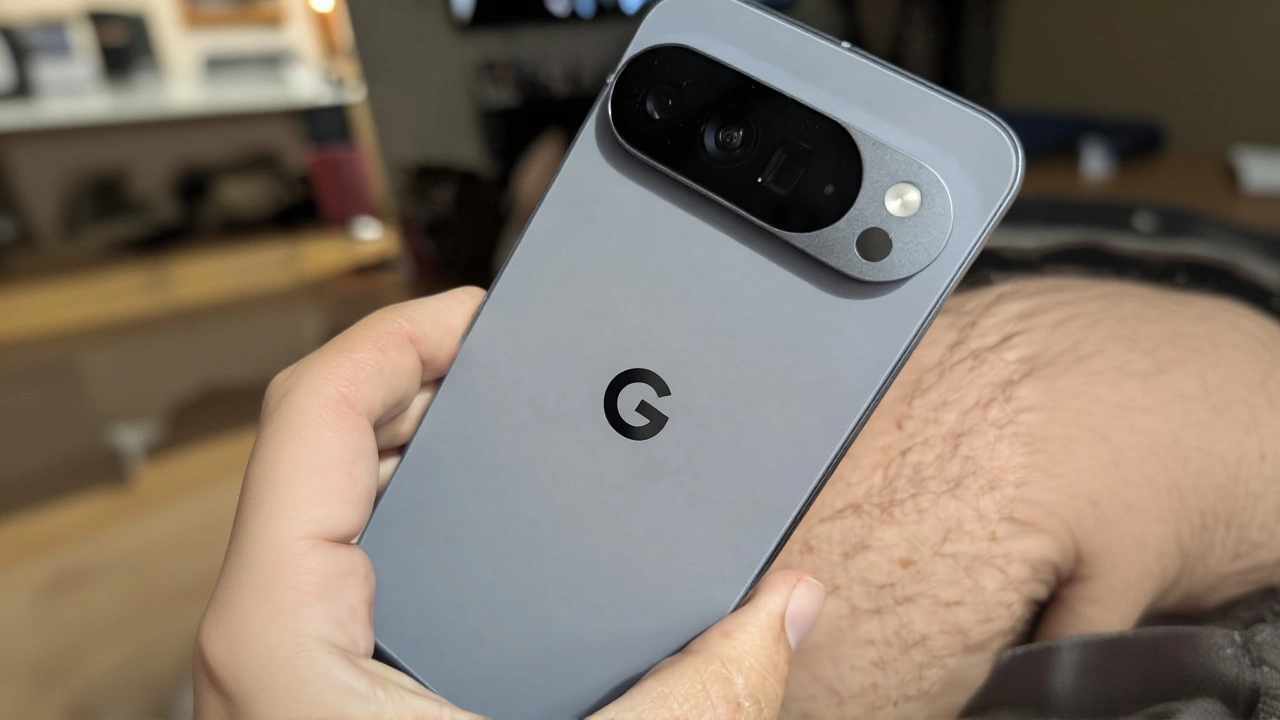
When Google pushed the latest Android 17 update to its flagship devices this June, it promised a smoother, smarter experience. Instead, early adopters are reporting a chaotic mix of broken connectivity and disappearing home screen elements. It’s not just a minor glitch; for many users, core apps like Gmail and YouTube simply refuse to load when connected to Wi-Fi.
The rollout, part of the June Pixel Feature Drop, hit most supported Pixel phones starting with the Pixel 6 series. Within days, reports flooded in from tech outlets and frustrated users alike. The consensus? The update is buggy, unstable, and currently breaking essential features for those who upgraded too quickly.
The Wi-Fi Blackout Bug
Here’s the thing that has users most concerned: a bizarre network issue that selectively cripples app functionality. According to reports from PhoneArena, certain Pixel units updated to Android 17 can no longer access key Google services while on Wi-Fi. Switch to mobile data, and everything works fine. Flip back to Wi-Fi, and the apps crash or fail to respond.
The affected list is extensive. We’re talking about YouTube, Gmail, the Google Play Store, Google Keep, and Google Photos. Even the web version of Google Messages is down, though the native app oddly survives. Third-party apps aren’t immune either, with users citing failures in Instagram and ChatGPT under the same conditions. It’s a stark reminder that even major OS updates can introduce regression bugs that break daily workflows.
Widgets Vanish for Work Profile Users
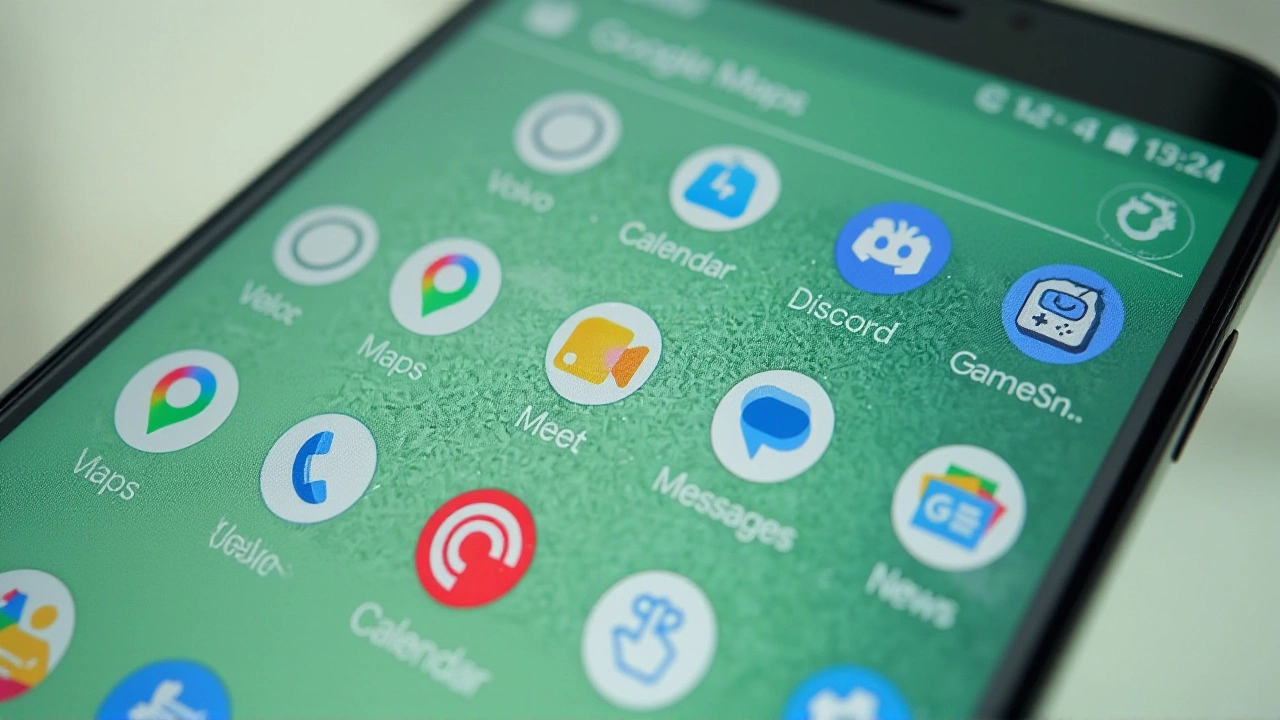
If the Wi-Fi issues weren’t enough, there’s another problem targeting productivity-focused users. A growing number of people using Android’s "work profile" feature are finding their home screen widgets completely gone. Not just hidden—deleted from the widget drawer entirely.
This seems to be triggered specifically by the presence of an active work profile. As one tech creator noted in a recent video analysis, deleting the work profile brings the widgets back. But re-enable the profile, and they vanish again. For professionals who rely on separate personal and work spaces on their phones, this is a significant disruption. Currently, there’s no official patch, leaving users to manually disable and re-enable individual apps to force widgets to reappear—a tedious workaround at best.
New Features Amidst the Chaos
Despite the headaches, Android 17 does bring some genuinely useful tools. Google has leaned heavily into AI integration with Gemini. You’ll find floating app bubbles for easier multitasking, better gaming modes for foldables, and new privacy controls that let you share only specific contacts rather than your entire address book.
Creators will appreciate the new "screen reactions" feature, which overlays your front-facing camera feed onto screen recordings—perfect for tutorials or reaction videos without needing third-party editors. There’s also "Pause Point," a digital wellbeing tool that interrupts mindless scrolling by prompting you to take a breath or check your surroundings before launching distracting apps.
What’s Next for Android 17?
Google hasn’t issued a widespread rollback, but patches are expected soon. Samsung and other manufacturers are still integrating Android 17 with their custom interfaces (like One UI), so their users won’t face these specific Pixel-centric bugs until later this summer. However, the underlying code issues may persist across brands if not addressed at the OS level.
For now, if you’re on a Pixel 6 or newer and haven’t updated, you might want to wait a week or two. If you’ve already updated and are facing Wi-Fi issues, try toggling airplane mode or clearing the cache of affected apps. It’s not a fix, but it might buy you some time until Google pushes out a proper resolution.
Frequently Asked Questions
Which Pixel phones are affected by the Android 17 bugs?
The issues primarily affect Pixel devices starting from the Pixel 6 series and newer, including the Pixel 7, 8, and 9 lines. These were the first to receive the June Feature Drop containing Android 17. Older models do not support this update yet.
Why do my apps stop working on Wi-Fi after updating?
A reported bug in the initial Android 17 build prevents certain apps (like Gmail, YouTube, and the Play Store) from connecting properly when the device is on Wi-Fi. They function normally on mobile data. This appears to be a network stack issue specific to this release.
How can I fix missing widgets on my Pixel?
If you use a work profile, deleting it may temporarily restore widgets. Alternatively, you can try disabling and then re-enabling each app that provides a widget in your settings. This forces the system to re-register the widgets, though the issue may return if the work profile remains active.
Will Samsung phones have the same Android 17 bugs?
Samsung and other manufacturers are still integrating Android 17 with their custom software layers. While they may encounter similar issues, their rollout is scheduled for later this summer. Any bugs found in the Pixel release may be patched before reaching Samsung devices.
Is it safe to update to Android 17 right now?
It depends on your needs. If you rely heavily on Wi-Fi for core apps or use work profiles extensively, it’s advisable to wait for a stability patch. If you want to test new AI features and don’t mind potential glitches, you can update, but be prepared to troubleshoot connectivity and widget issues.